India’s economic rise is inseparable from the future of its cities. As urban centres expand and absorb millions of new residents, the daily movement of people will increasingly determine productivity, sustainability, and quality of life. Yet, today, urban mobility remains one of India’s most under-addressed structural challenges—one that demands urgent policy attention as Budget 2026 approaches.
As Jerin Venad, Founder & CEO of Cityflo, succinctly captures:
“India is on an exponential growth trajectory, and our cities will absorb a significant share of this expansion. As urban populations rise, stress on already congested commute corridors will only intensify; how we manage this movement will help shape India’s economic potential.
Mass transit in cities today accounts for only about 25% of motorised trips, far too low for dense urban environments. The remaining dependence on private cars, two-wheelers, and autos fuels congestion, emissions, and daily productivity loss for millions.
India also has fewer than 1.2 buses per 1,000 people, compared to 5–8 per 1,000 globally. Expanding high-quality bus capacity represents one of the most achievable levers to shift commuter behaviour at scale and unlock a more efficient, sustainable urban mobility system.
For Budget 2026, three interventions can be transformational:
Capital support and credit-linked incentives to expand professionally operated bus services
Targeted funding for electric-bus deployment and charging infrastructure
Simplified, standardised national norms for aggregator licensing and PPP operations
A bold mobility agenda can rebalance India’s modal ecosystem, cut emissions at the source, and deliver a reliable, comfortable mobility experience.”
These observations highlight a critical imbalance in India’s transport ecosystem. Despite dense urban form, cities remain skewed towards private and informal modes of transport. This not only clogs road networks but also imposes hidden economic costs through lost time, higher fuel consumption, and deteriorating air quality.
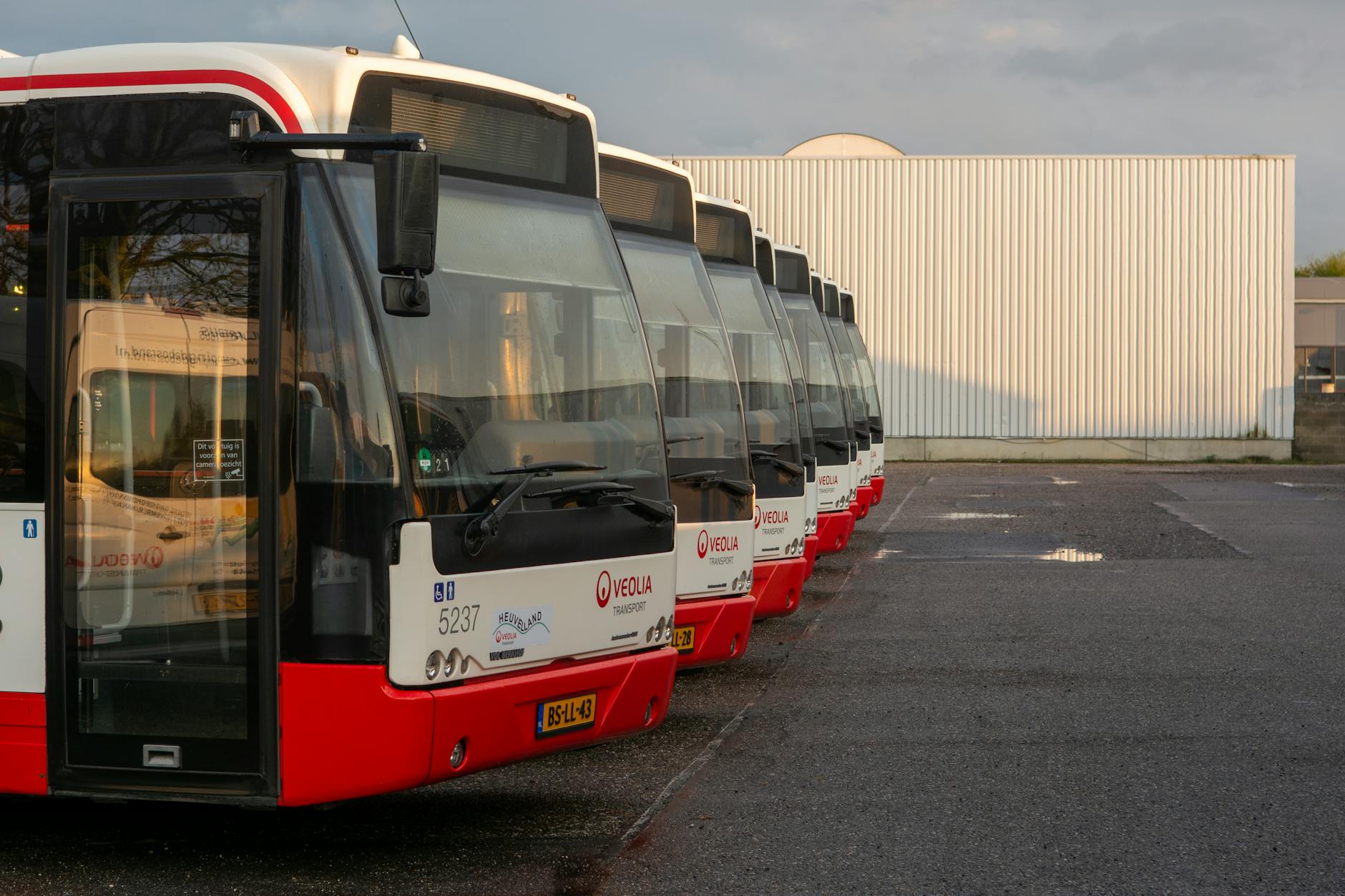
Buses—particularly professionally operated, tech-enabled, and electric fleets—offer one of the fastest and most scalable solutions. Unlike heavy rail or metro systems, buses can be deployed quickly, adapted to demand, and integrated with existing infrastructure. When supported by clear policy frameworks and predictable financing, they can meaningfully shift commuters away from private vehicles.
Budget 2026, therefore, represents a strategic inflection point. By prioritising bus-led mass transit, enabling private participation through standardised norms, and accelerating electrification, India can unlock a virtuous cycle of lower emissions, higher productivity, and more livable cities.
Urban mobility is no longer just a transport issue—it is a cornerstone of India’s economic competitiveness. A decisive push today will determine whether India’s cities become engines of growth or bottlenecks to ambition.


Leave a Reply