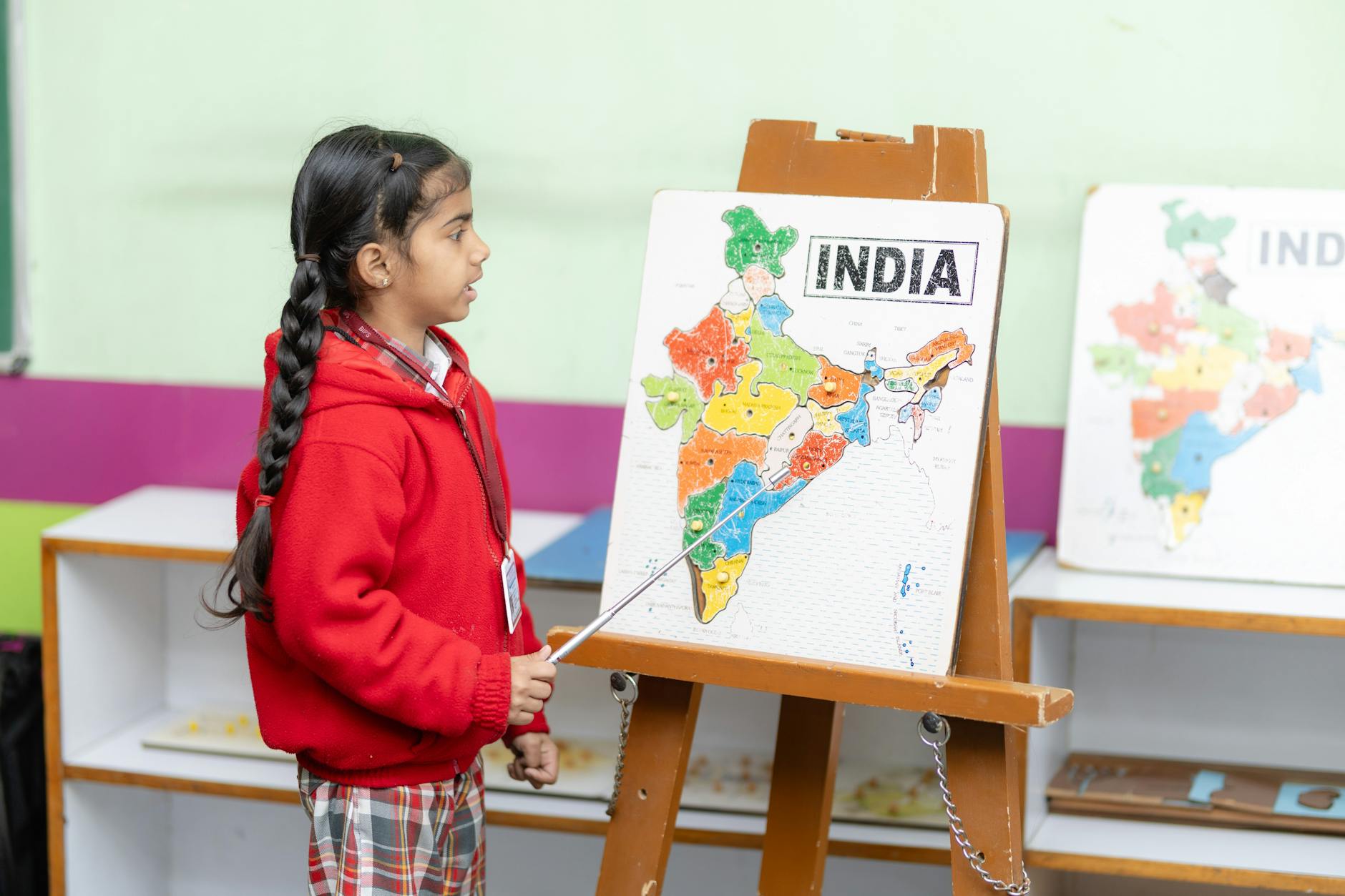
The Union Budget 2026 marks a decisive moment for India’s education sector, positioning it not merely as a social investment but as a strategic driver of economic growth, employability, and innovation. Across higher education, school education, and youth development, the budget reflects a clear intent: to align learning with the realities of a fast-evolving economy while ensuring equity and access beyond traditional urban centres.
Universities as active contributors
At the heart of this transformation is a renewed focus on the education-to-employment continuum. Prof. M. A. Venkataramanan, Pro-Vice Chancellor of FLAME University, notes that Budget 2026 “clearly signals a shift to education as a national growth engine.” By strengthening the link between education, research, and enterprise, the budget envisions ecosystems where universities become active contributors to innovation and economic productivity.
This approach creates an urgent demand for graduates who can think across disciplines, apply knowledge in real-world contexts, and operate at the intersection of technology, policy, sustainability, and society. In doing so, universities are being repositioned as engines of employability, global engagement, and research-led growth.
Equity in Education & Regional Democratisation
Equally significant is the budget’s emphasis on educational equity and regional democratisation. Niyati Handa, Co-founder and Director of Eklavya School, highlights the ₹5,000 crore capital investment earmarked for each City Economic Region (CER) and the development of university townships near industrial corridors. These measures aim to take quality education beyond metro cities, reducing regional disparities and creating local talent hubs aligned with industrial and economic clusters. Such infrastructure-led interventions are expected to strengthen regional education ecosystems and empower youth in non-urban India with access to world-class learning opportunities.
Emerging career pathways
From the perspective of youth and emerging career pathways, the budget also acknowledges the changing aspirations of India’s largest-ever young population. Jeel Gandhi, CEO of Under25, points to youth-centric initiatives such as the Khelo India Mission, which are designed to create interconnected pathways for skill development and diverse employment opportunities. The simplification of the income tax compliance framework and the reduction in deductions on education and overseas packages from 5% to 2% further reflect an understanding of Gen Z’s global outlook and unconventional career choices.
A holistic vision for Indian education
Taken together, Budget 2026 presents a holistic vision for India’s education sector—one that integrates infrastructure, policy reform, employability, and global competitiveness. By bridging education with industry, expanding access beyond metros, and aligning with youth aspirations, the budget attempts to transform education into a cornerstone of India’s long-term economic and knowledge ambitions.


Leave a Reply